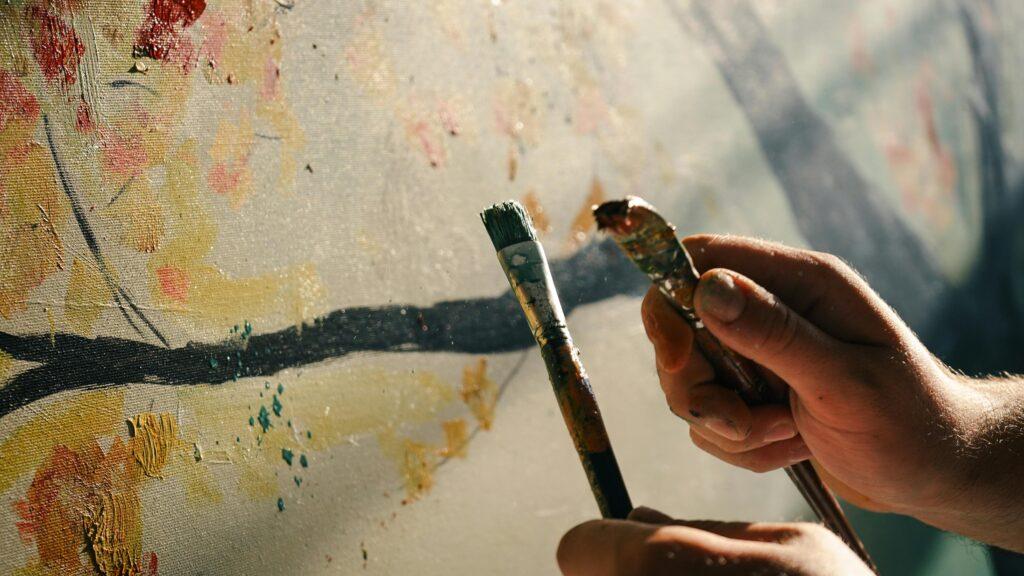


In 14th and 15th-century Europe, if an artist used this specific shade of blue abundantly in a painting, it wasn’t an act of artistic whim—it meant their patron was unimaginably wealthy.
This color is called Ultramarine, which literally translates to “beyond the sea.” Back then, for European artists to lay their hands on it, Venetian merchants had to journey to the remote and treacherous mountains of Badakhshan in Afghanistan to fetch a precious semi-precious stone: Lapis Lazuli.
From Ore to Opulence: The Alchemic Art of Ultramarine
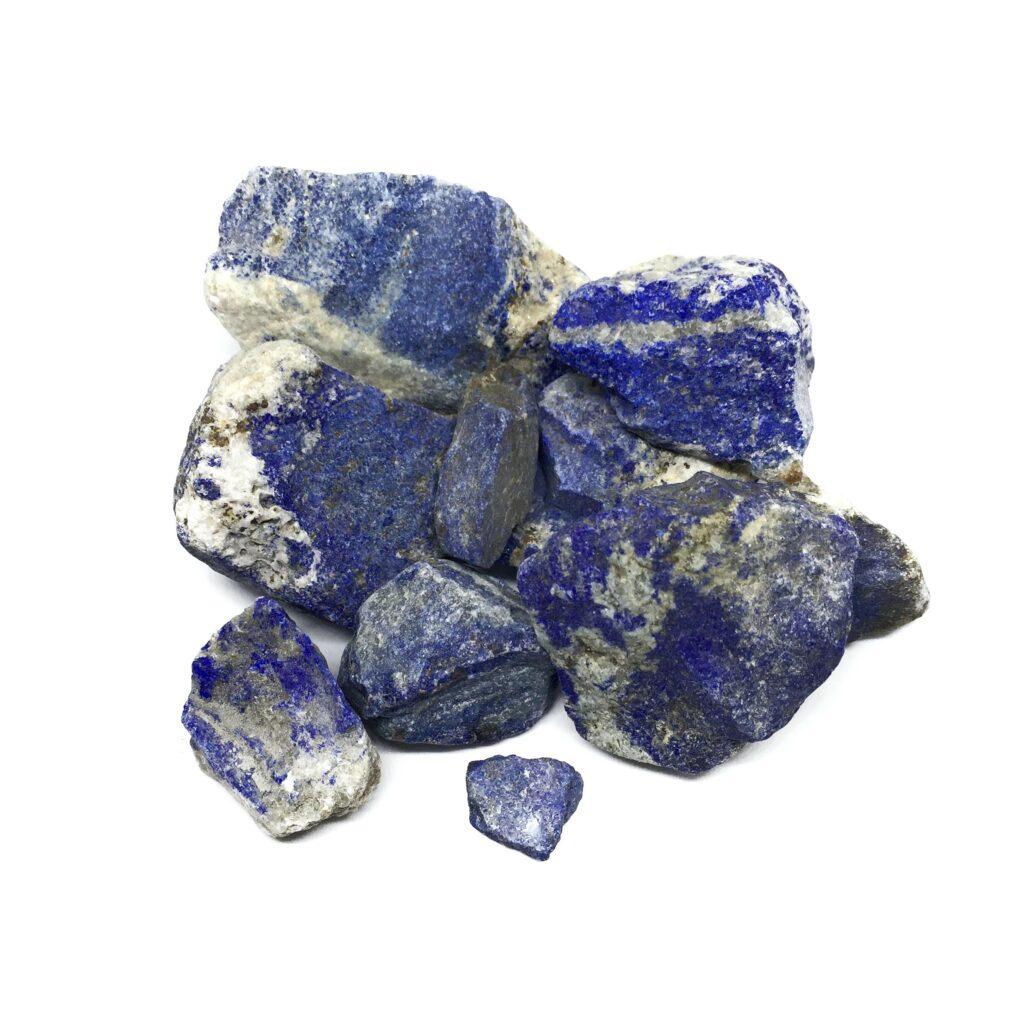
Lapis lazuli in its raw form is not entirely blue; it is speckled with grey calcite and glittering gold pyrite. Turning this gemstone into the ultimate blue for a canvas was a process akin to alchemy:
- Grinding: High-grade lapis lazuli was painstakingly crushed and ground into an extremely fine powder by hand.
- Kneading: The powder was melted together with wax, resins, and linseed oil, then kneaded into a thick dough.
- Lixiviation (Steeping & Washing): This dough was then submerged in a dilute lye solution and massaged by hand. Magically, only the purest blue particles would separate and settle to the bottom first, leaving the impurities trapped inside the dough.
💡 Fun Fact within a Fun Fact: Because the process was so complex and wasteful, 1 kilogram of top-tier raw lapis lazuli yielded only a few dozen grams of pure ultramarine pigment. This made it the undisputed ultimate luxury of the Middle Ages.
The Exclusive Color of the Virgin Mary
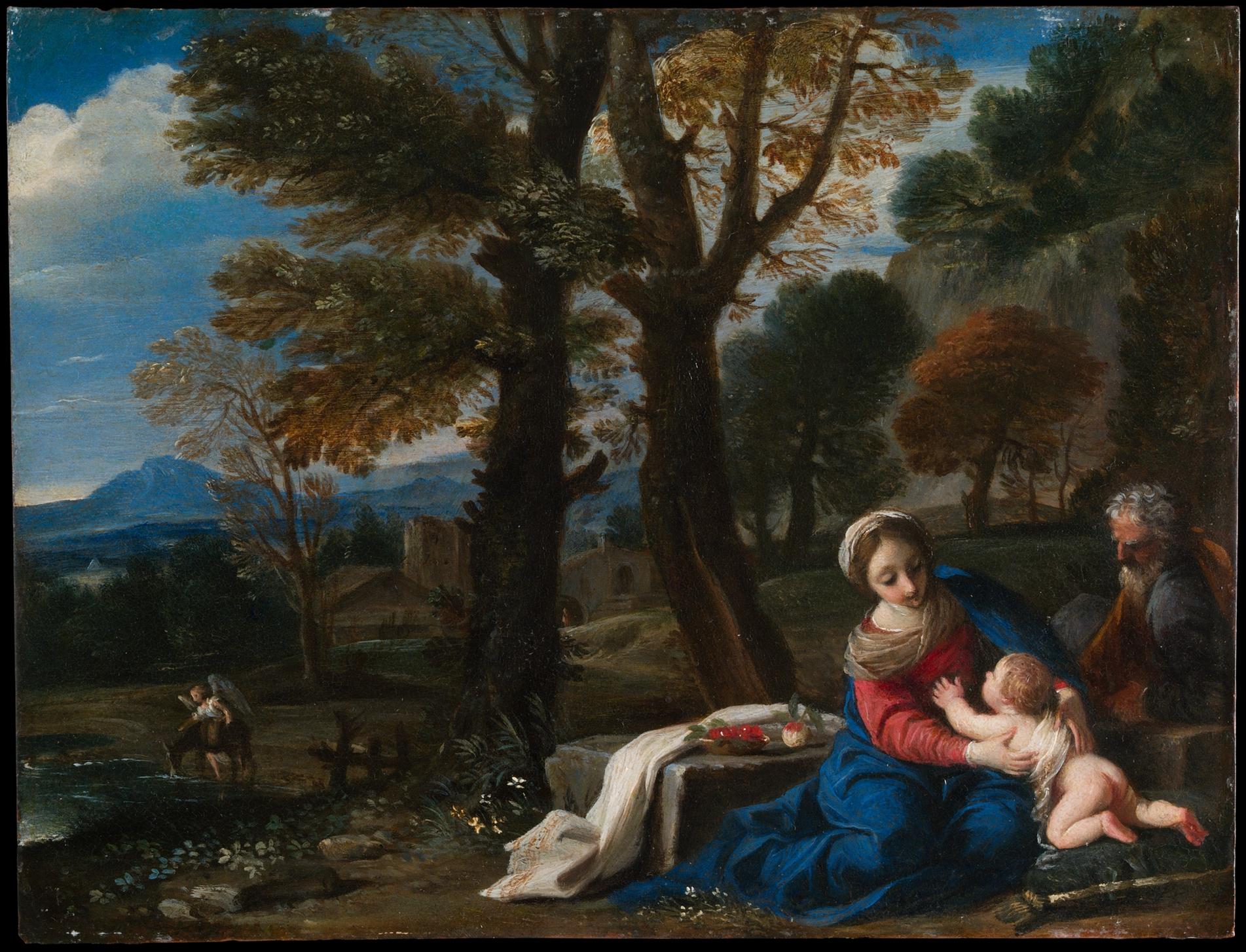
Because it was so prohibitively expensive, it was never used casually. In Renaissance religious art, ultramarine was almost exclusively monopolized for painting the robes of the Virgin Mary. This was not only a mark of the highest devotion to the divine but also a silent, powerful flex of wealth.
The legendary master Michelangelo famously abandoned a painting (The Entombment) in a fit of rage because his patron failed to buy him enough ultramarine pigment. As a result, that masterpiece remains unfinished to this day.
Brand Bridge: From Unattainable Gemstones to Boundless Creative Freedom
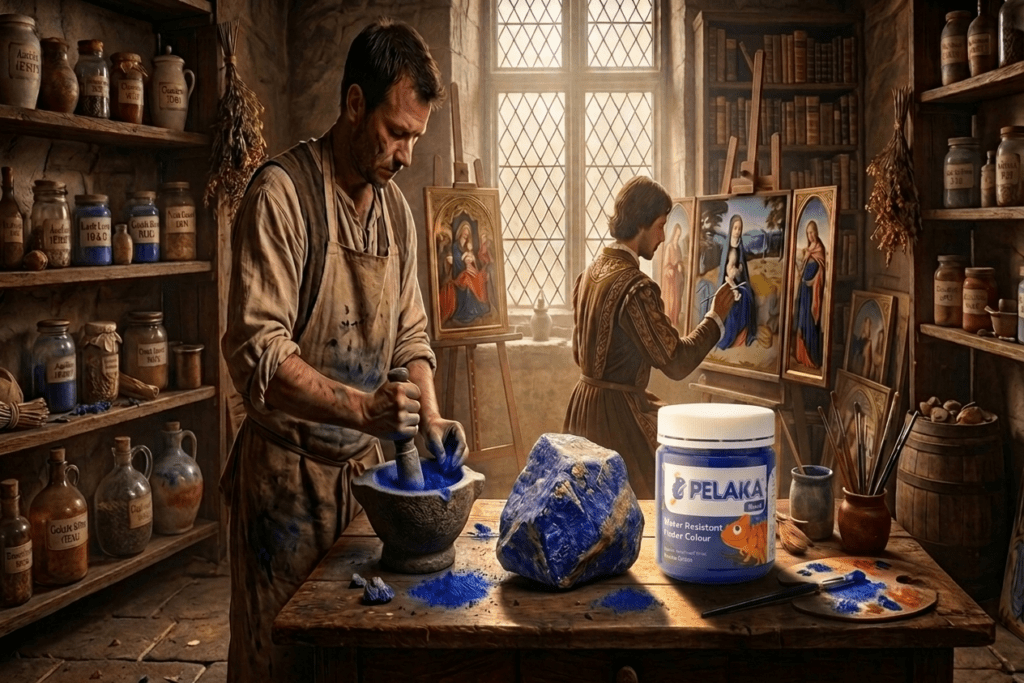
Centuries have passed, and scientific breakthroughs led to the birth of synthetic ultramarine (French Ultramarine). Art finally moved past the era where “only nobility deserved color.”
Today, you don’t need to own a lapis lazuli mine to splash the most exquisite blue across your canvas. Pelaka inherits this relentless pursuit of color purity. Using modern craftsmanship, we have captured the deep, mesmerizing ultramarine once reserved for holy robes—alongside thousands of nature’s most beautiful hues—and bottled them into every single Pelaka jar.
- As Rich and Vibrant as Ever (High pigment loading that restores historical textures)
- Time-Tested Lightfastness (Just like lapis lazuli, it stands the test of time without fading)
- Affordable Artistic Freedom for Everyone